 European Parliament Condemns Insecurity, Urges Nigeria to End Impunity
The European Parliament has overwhelmingly adopted a resolution condemning the continued violence against Christians and other vulnerable communities in Nigeria, with 501 Members of the European Parliament (MEPs) voting in favour, one against, and 86 abstaining.
The resolution calls on the Nigerian government to:
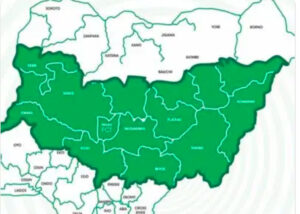
* Strengthen security, particularly in the Middle Belt.
* Intensify military operations against Boko Haram and Islamic State West Africa Province.
* Conduct independent investigations into attacks and prosecute those responsible to end what it described as a “culture of impunity.”
* Improve civilian protection, early warning systems, regional mediation, food security, sustainable land management, and support for internally displaced persons.
The lawmakers specifically referenced the June 22 attack on Kawel village in Bokkos Local Government Area of Plateau State, where more than 20 Christians, including a pastor, were reportedly killed during an overnight raid. They expressed condolences to the victims’ families and urged the European Union’s Special Envoy for Freedom of Religion or Belief to closely monitor the situation of Christians and other persecuted religious communities in Nigeria.
During the debate, Slovak MEP Miriam Lexmann described Nigeria as one of the most dangerous places in the world for Christians and called on the Nigerian government to take stronger action against armed groups responsible for attacks.
Representatives of Alliance Defending Freedom welcomed the resolution, arguing that attacks such as the one in Kawel are part of a broader pattern of violence against Christian communities in Nigeria’s Middle Belt.
The resolution also highlighted concerns over the increasing number of kidnappings in Nigeria, particularly their disproportionate impact on women and girls.
This is the latest in a series of European Parliament resolutions on Nigeria. Previous resolutions have addressed attacks on Christian communities, the country’s blasphemy laws, and the case of Yahaya Sharif-Aminu, whose release the Parliament has repeatedly called for.
The resolution reflects the European Parliament’s position and recommendations. While it increases international scrutiny of Nigeria’s security and human rights situation, it is not legally binding on the Nigerian government.