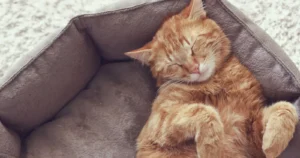
A lounging cat in the afternoon is a sight to behold – seemingly indifferent to the day’s demands, it exudes an air of effortless elegance as it curls up on a chair, occasionally twitching an ear in response to a faint sound before resuming its tranquil slumber. Adult domestic cats are known to spend a substantial portion of their day in the realm of dreams, typically clocking in between twelve to sixteen hours of sleep. This behavior is often interpreted as a strategic choice, positioning the cat as a finely tuned hunting machine conserving energy for those crucial moments of predatory prowess.
While the notion of cats as avid sleepers aligns with observational data from veterinarians and pet health experts, the portrayal of feline speed capabilities may require a closer inspection. Although commonly cited figures suggest cats can reach speeds of up to fifty kilometers per hour, a more conservative estimate places their sprinting velocity within the range of thirty-two to forty kilometers per hour. This distinction underscores the cat’s evolutionary specialization as an adept sprinter rather than a long-distance runner.
Ultimately, the popular narrative surrounding feline behavior warrants a nuanced reevaluation to appreciate the true nature of these enigmatic creatures as stealthy hunters optimized for short bursts of activity.